
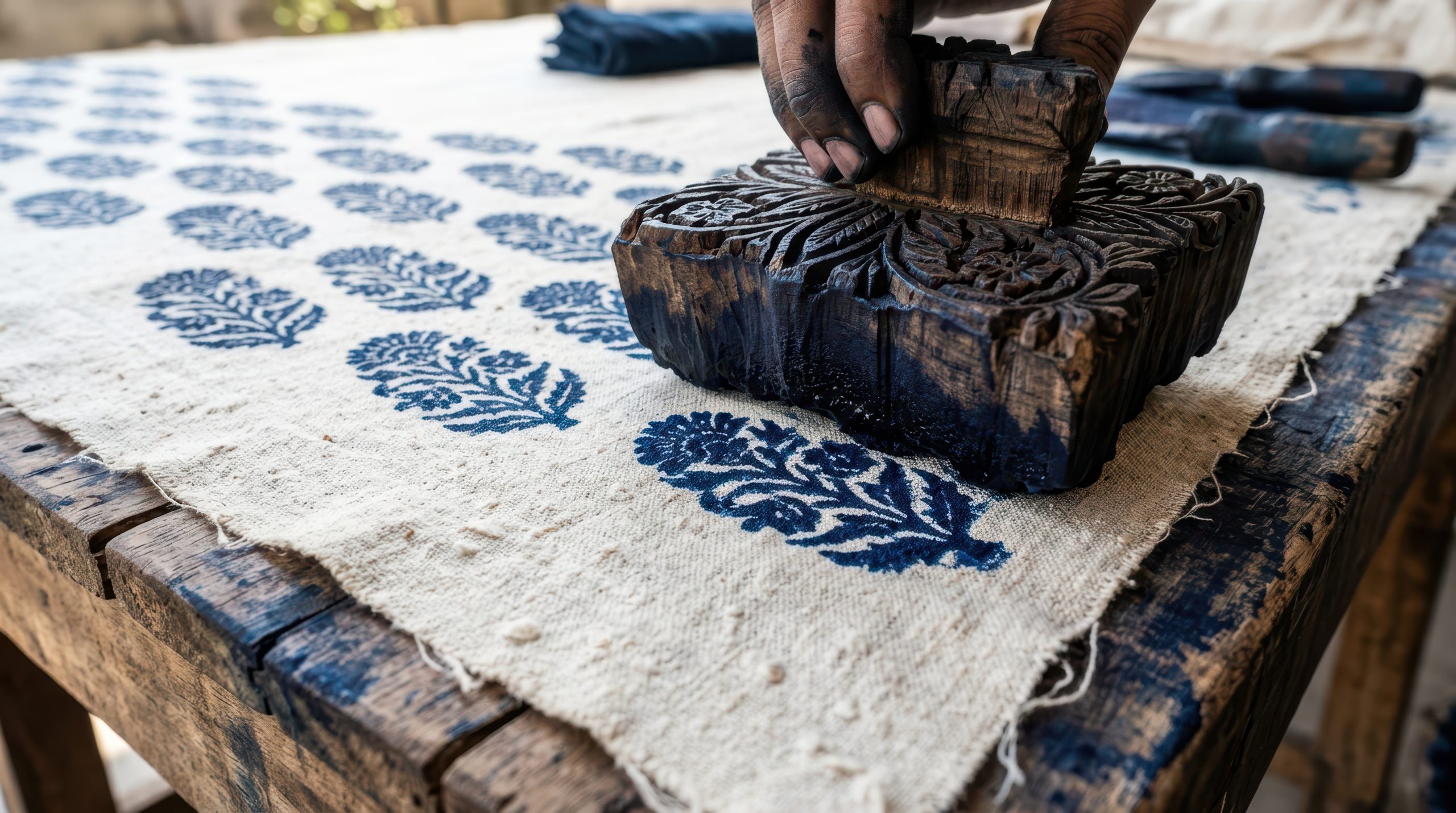
Batik is a fabric that tells a story, weaving tradition and artistry into every thread. More than just a textile, it’s a canvas of cultural heritage and craftsmanship.
Each design, created with care and skill, reflects traditions passed down through generations. Whether adorning ancient temples’ walls or modern fashionistas’ wardrobes, batik has remained a symbol of timeless elegance. What makes it endure, adapt, and captivate?
Let’s explore the rich tapestry of batik’s legacy, its techniques, and its relevance today.
Threads of Time: The Origins of Batik Print
Batik, derived from the Javanese words “amba” (to write) and “titik” (dot), is rooted in a wax-resist dyeing technique. Though its global origins trace back to ancient Egypt and Indonesia, India’s adaptation of batik has developed its own distinct identity. Introduced to India through trade routes, batik quickly found fertile ground in regions like Gujarat, West Bengal, and Madhya Pradesh.
Indian artisans embraced and innovated upon the craft, weaving elements of local culture into its designs. Gujarat became a hub for colorful, intricate patterns, while Bhairavgarh in Madhya Pradesh specialized in bold, earthy tones. These regions not only preserved but also evolved batik, infusing it with Indian motifs and cultural significance. Over centuries, batik grew to represent the perfect fusion of practicality and artistry.
Crafting Magic: The Techniques Behind Batik
Each region and culture has its way of making batik and the variety is as diverse as the backgrounds of the artisans who make them.
At its core, batik printing is about creating patterns by resisting dye. However, this deceptively simple concept requires a delicate interplay of skill, precision, and patience. Artisans prepare the fabric, typically cotton or silk, ensuring it is smooth and absorbent. Next, designs are drawn or stamped onto the fabric using melted wax as a barrier to the dye. There are four common techniques used in batik making:
1. Block Printing
Block printing uses carved wooden blocks to stamp wax onto the fabric. This approach is efficient for creating uniform designs and is favored for producing large quantities.
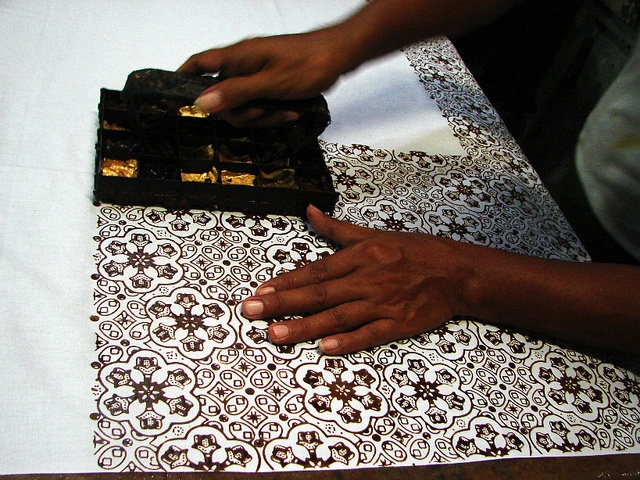
Batik block printing is a traditional textile art form prominent in Bhairavgarh, Ujjain, India.
2. Hand-Drawn
Hand-drawn batik, known as batik tulis, involves freehand sketching of intricate designs with a tjanting, a tool resembling a pen with a small reservoir for hot wax. This method is ideal for detailed, flowing patterns and its labor-intensive nature often means each piece is truly one of a kind.
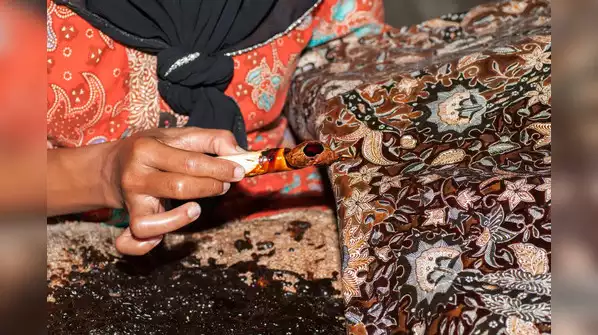
Batik found its way to India through the country’s trade with different merchants from all over the world. (Image Source).
3. Batik Cap
In addition to these, a third method — batik cap — combines hand-drawn and block techniques. Artisans first block-print the main pattern and then add finer details by hand.
4. Scratched
Scratched batik involves scratching the wax layer before dyeing, creating textured, semi-random patterns that mimic natural elements like tree bark or water ripples. These variations ensure that batik remains versatile and adaptable, a medium for both tradition and experimentation.
The Hands Behind the Art: Batik Artisans
Behind every batik creation lies the dedication of artisans who devote their lives to mastering this intricate craft. Communities in Madhya Pradesh, especially in Bhairavgarh, are celebrated for their expertise. Here, batik is not just a livelihood but a way of life, passed down from parents to children.
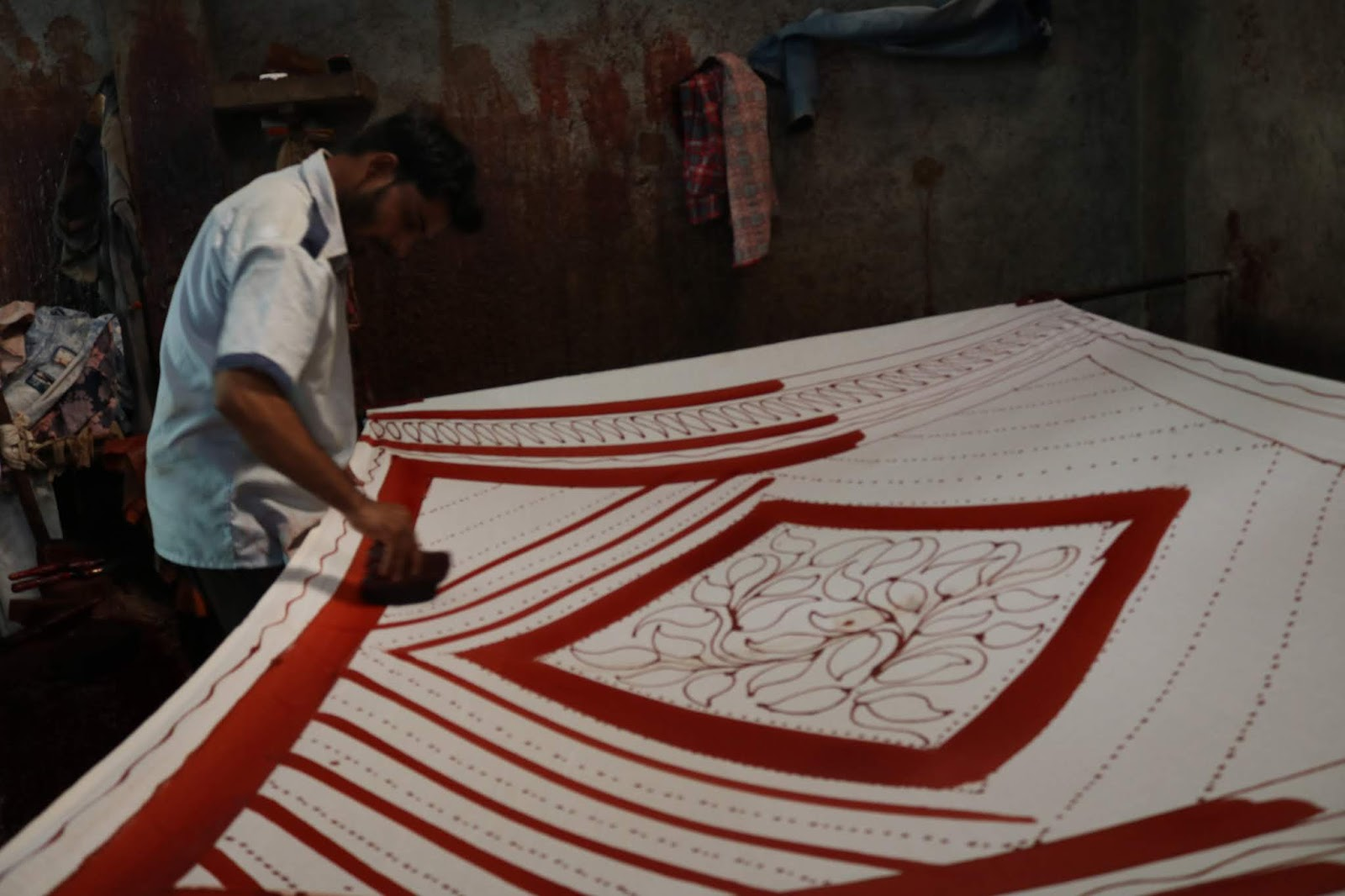
Batik printing in Bhairavgarh in Uljain, India began 400 years ago and is still a thriving artform today. (Image Source).
The process of batik-making demands not only technical skill but also artistic vision. Artisans often derive inspiration from their surroundings, incorporating motifs of flora, fauna, and sacred symbols. Their work reflects a deep connection to their heritage, as well as an innate ability to adapt to changing tastes and trends.
Woven Into Culture: The Significance of Batik
Batik holds a special place in Indian festivals, rituals, and everyday life. At Hindu weddings, batik-dyed fabrics are often used as decorative backdrops or ceremonial attire, symbolizing purity and prosperity. Beyond their practical uses, these textiles carry layers of meaning through their patterns and motifs.
Lotus flowers, a common design, represent divine beauty and spiritual awakening, while a paisley pattern is often associated with fertility and life. Geometric patterns convey order and symmetry, while abstract designs encourage imagination and creativity. Each motif tells a story, making batik not just a craft but also a cultural narrative.
From Tradition to Trend: Modern Takes on Batik
While batik remains rooted in tradition, it has seamlessly transitioned into the world of contemporary fashion. In fact, in 2009, batik was added to UNESCO’s Intangible Cultural Heritage of Humanity list, solidifying its place as an important textile in history.
Designers, both in India and abroad, are reimagining batik in innovative ways. Sarees with batik prints are paired with modern blouses while flowing maxi dresses blend ethnic patterns with Western silhouettes. Accessories, including scarves, clutches, and even shoes, feature batik designs, making them wearable art pieces.
For example, popular American designer Diane von Furstenberg designed a batik print dress that Princess of Wales Kate Middleton wore.

From celebrities to royals, batik is gaining momentum in fashion and new applications. (Image Source).
Fusion styles have become particularly popular, appealing to a younger audience eager to connect with their cultural roots without compromising on modern aesthetics. The global fashion industry has also embraced batik, with international runways showcasing pieces inspired by this ancient art. This blend of tradition and innovation ensures that batik remains relevant in an ever-changing world.
Caring for Your Batik Treasures
Owning a piece of batik is like owning a piece of history, and preserving its beauty requires careful attention. To maintain the vibrancy of batik prints, it’s best to wash them gently by hand using cold water and mild detergent. Avoid harsh chemicals, which can weaken the fabric and dull its colors. Drying in the shade prevents fading, while low-heat ironing, with a cloth placed between the fabric and the iron, ensures the material remains smooth and intact.
With proper care, batik fabrics can last for decades, becoming cherished heirlooms passed down through generations.
Celebrate the Artistry: Explore Batik at Indian Prints
Batik print is a testament to human creativity and cultural heritage. Its intricate designs, vibrant colors, and timeless appeal make it a perfect choice for those who value artistry and craftsmanship.
If you’re ready to bring the elegance of batik into your life, explore the curated collection at Indian Prints. From traditional sarees to cotton dress materials, our pieces showcase the beauty of batik while supporting the artisans who keep this tradition alive.
Celebrate the enduring charm of batik and discover how this ancient art continues to inspire, evolve, and captivate. Let the timeless elegance of batik enrich your wardrobe, your home, and your appreciation for the art of storytelling through textiles.
If you found this article interesting, why not share it with your friends on social media?